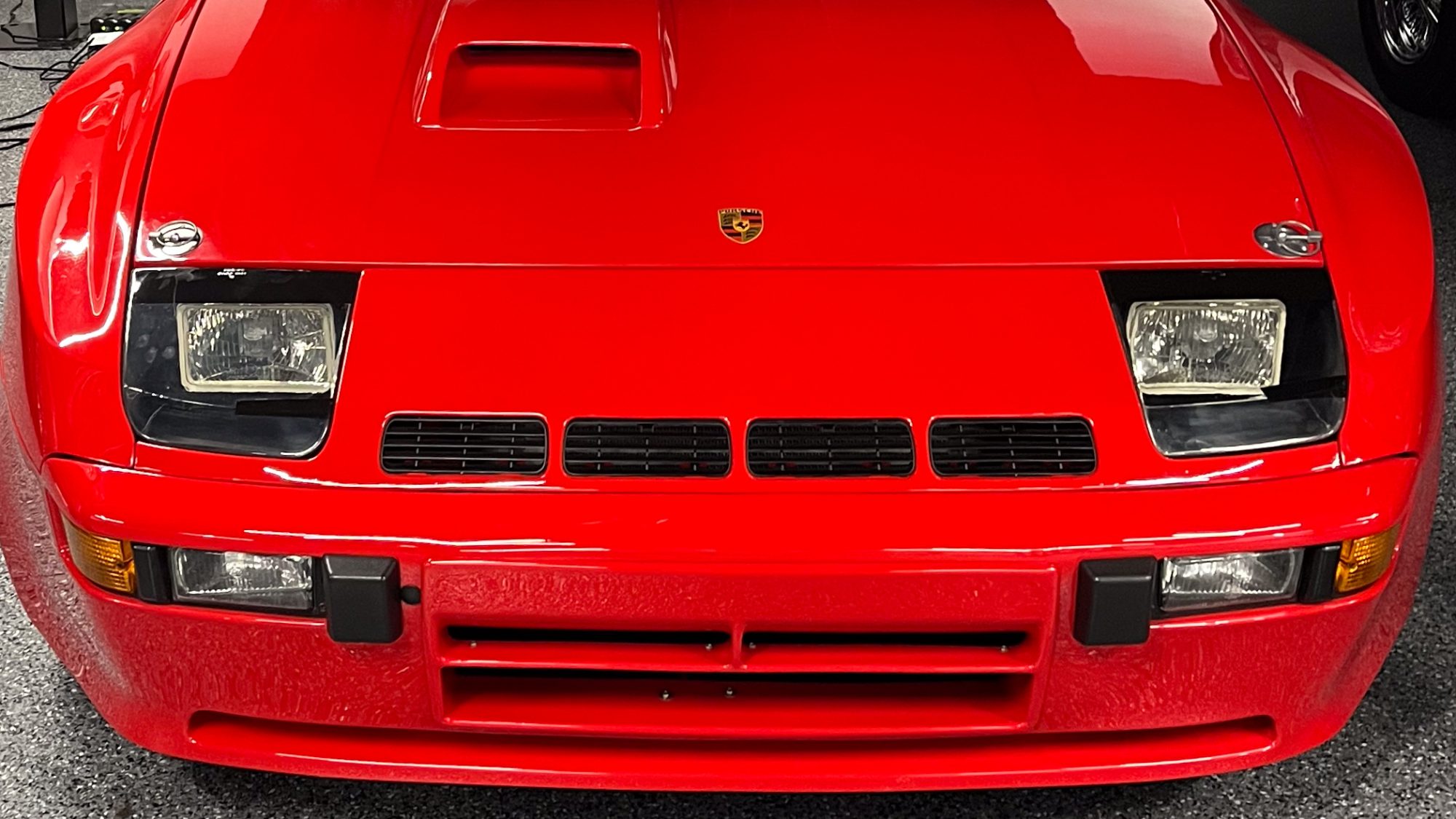
In the world of homologation specials, few cars are as obscure—and as purpose-built—as the 1981 Porsche 924 GTS Clubsport. Conceived in an era when Porsche was navigating the politics of motorsport and the economics of platform sharing, the 924 GTS Clubsport was the sharpest edge of a controversial but ultimately brilliant blade. It was fast, fragile, and rare—just 15 were ever made, crafted to homologate the 924 for FIA Group 4 racing.
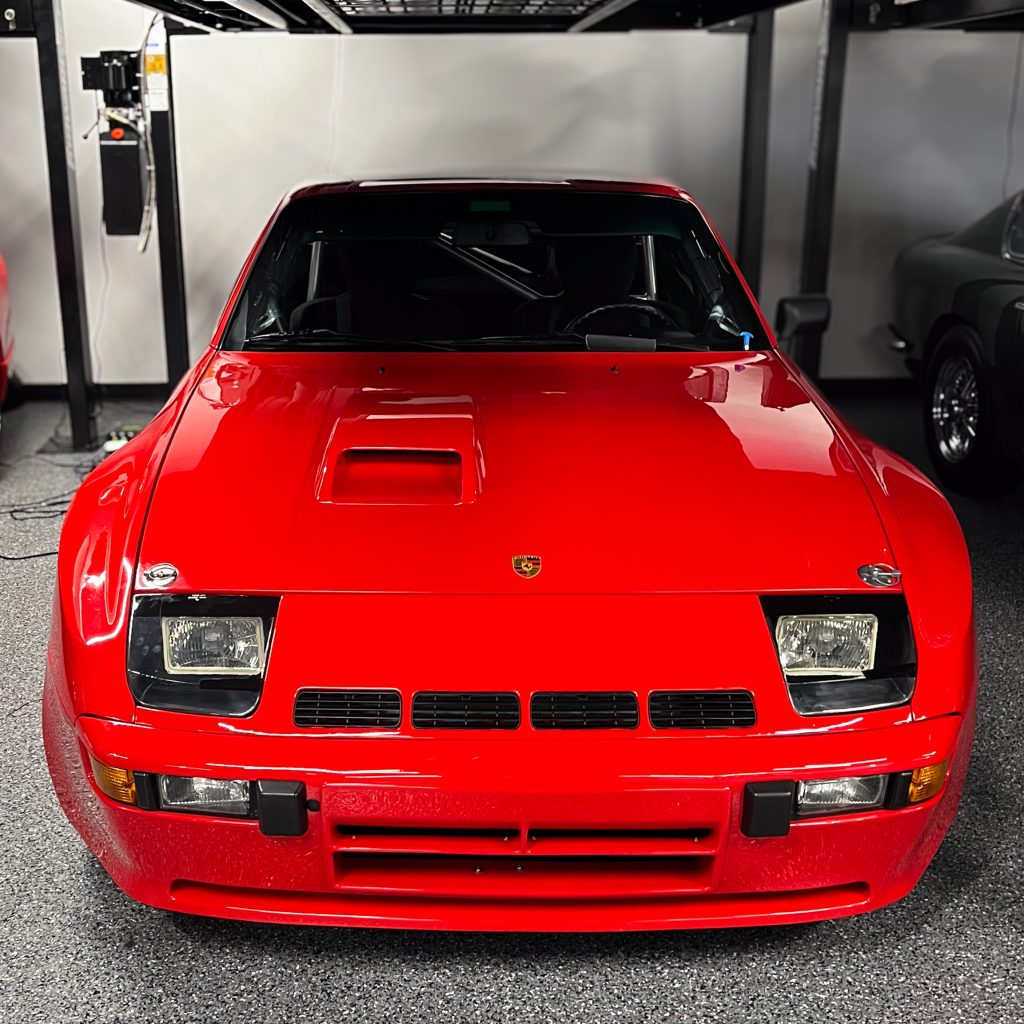
A Race Car by Necessity
By the late 1970s, Porsche needed a new avenue into motorsports. The company had already begun experimenting with the front-engined, transaxle 924 as a performance platform, releasing the 924 Turbo (931) in 1978 and the wider, more aggressive Carrera GT in 1980. But to compete in Group 4, Porsche needed to produce at least 400 units of a car that matched the race specs closely enough to qualify under FIA rules. The Carrera GT met that requirement—406 were built—but to push deeper into motorsport, Porsche needed a more focused machine. That machine became the 924 GTS, and more specifically, the GTS Clubsport.
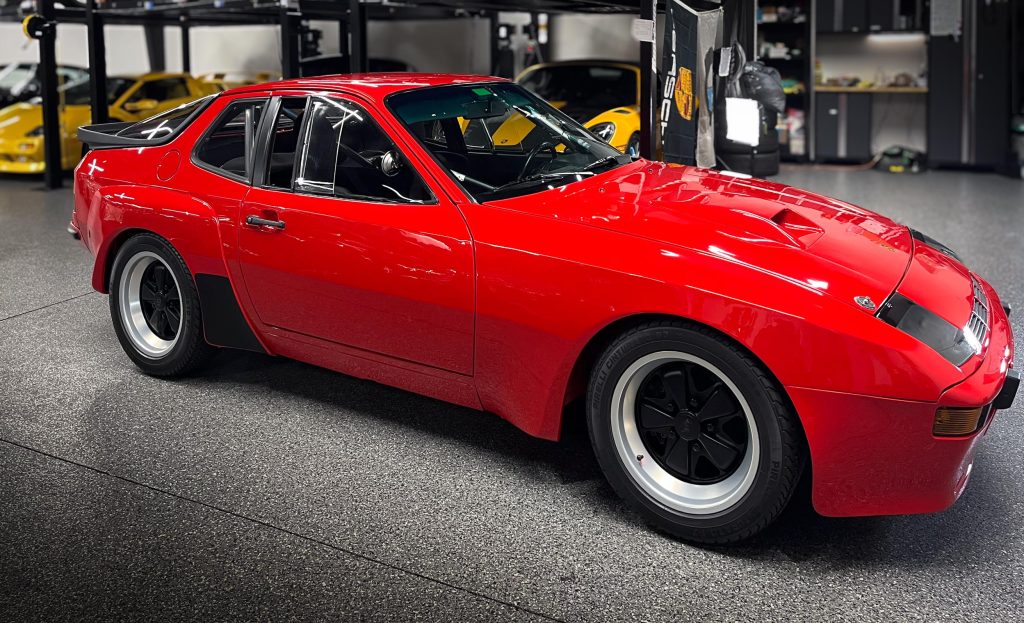
Under the Skin: A Technical Deep Dive
The Clubsport’s performance starts with its powerplant: a 2.0-liter inline-four, derived from the Audi-sourced block but heavily reworked by Porsche engineers. It featured:
- Forged pistons
- High-lift camshaft
- K27 turbocharger (vs. K26 on standard 924 Turbo)
- Front-mounted air-to-air intercooler
- Increased boost pressure (up to 1.0 bar)
- Bosch K-Jetronic fuel injection with race tuning
All of this added up to a claimed 275 horsepower. Porsche claimed a 0–60 mph time of 5.2 seconds and a top speed of 155 mph—staggering numbers for a 2,000-pound car in 1981.
Track Pedigree and FIA Group 4 Ambitions
The GTS Clubsport was homologated specifically for FIA Group 4, a racing class that allowed for extensive modifications but still required a production base. While Porsche campaigned variants of the 924 in hill climbs and endurance events, the Clubsport’s full potential was never fully realized due to shifting priorities and budgets.
The GTS Clubsport vs. Porsche Peers
To appreciate just how radical the Clubsport was, it helps to compare it to other Porsches from 1981:
| Model | Engine | Power | Curb Weight | 0–60 mph | Top Speed |
|---|---|---|---|---|---|
| 924 Turbo (931) | 2.0L Turbo I4 | 170 hp | ~2,800 lbs | 7.5 sec | 140 mph |
| 924 Carrera GT | 2.0L Turbo I4 | 210 hp | ~2,480 lbs | 6.5 sec | 150 mph |
| 924 GTS Clubsport | 2.0L Turbo I4 (K27) | 275 hp | ~2,050 lbs | 5.2 sec | 155 mph |
| 911 Turbo (930) | 3.3L Turbo Flat-6 | 300 hp | ~2,900 lbs | 5.4 sec | 160 mph |
Rarity, Value, and Legacy
Because just 15 GTS Clubsports were built—and never officially imported to the U.S.—they’ve long existed in the shadows of more well-known Porsches. For years, front-engined Porsches were underappreciated, dismissed as entry-level or Audi-adjacent. That narrative has changed.
Closing Thoughts
The 1981 Porsche 924 GTS Clubsport is not just rare—it’s relevant. It tells a story about how Porsche approached motorsport under constraint, and how a platform built from necessity could evolve into a racing weapon.
Endnotes / Sources
- Porsche AG Museum – 924 GTS Background
- 924 GTS Registry – VIN Listings and Historical Details
- Road & Track: The Porsche 924 GTS Is a Rare Turbocharged Wildcard
- Hemmings: Group 4 Roots – Porsche’s Rare 924 GTS
- Rennlist Forum: GTS vs. GT vs. 930 Turbo Comparison
- RM Sotheby’s: 924 GTS Clubsport Auction Result